
How Do I Practice Self-Love God’s Way?
“Love your neighbor as yourself.”
It’s a verse many of us know by heart.
But if we’re honest, it can also stir up quiet tension.
Because loving others? We’ve got that covered.
Loving God? We’re trying our best.
But loving ourselves?
That’s where things start to feel… uncomfortable.
For many Christian women, self-love feels suspicious. Like it might cross a line. Like it could turn into pride, selfishness, or somehow distract us from serving God well.
But what if we’ve misunderstood self-love all along?
When Jesus Assumed Self-Love Was Already There
In Matthew 22:39, Jesus didn’t give a long explanation. He didn’t offer disclaimers or warnings.
He simply said, “Love your neighbor as yourself.”
That phrase—as yourself—matters.
Jesus assumed that healthy self-care already existed. Not arrogance. Not self-obsession. But a basic sense of worth, care, and responsibility for one’s own well-being.
And yet, so many women today are trying to love others while running on empty. Saying yes when they’re exhausted. Smiling while overwhelmed. Showing up while quietly unraveling inside.
If that’s you, here’s a gentle truth:
The problem isn’t that you love yourself too much.
It may be that you’ve never been taught how to love yourself God’s way.
Why Self-Love Gets a Bad Reputation

Somewhere along the line, self-love became confused with selfishness.
We heard things like:
- “Put others first—always.”
- “Dying to self means ignoring your needs.”
- “Good women don’t take up too much space.”
And while sacrifice is part of the Christian walk, constant self-neglect was never God’s design.
Burnout isn’t a spiritual badge of honor.
Resentment isn’t a fruit of the Spirit.
And exhaustion doesn’t make us more holy.
Sometimes it’s simply a signal that something needs care.
So let me ask you—where did you learn that your needs didn’t matter?
Self-Love Is God’s Stewardship, Not Selfishness
Here’s the reframe that changes everything:
Biblical self-love is stewardship.
Stewardship means caring for what God has entrusted to you. And that includes your:
- Body
- Emotions
- Time
- Energy
- Heart
You are not your own creator—but you are a caretaker.
When you ignore your limits, silence your needs, or constantly override your own well-being, you aren’t being more spiritual. You’re neglecting something God deeply values.
Self-love, in this sense, becomes an act of obedience.
A quiet way of saying, “God, I trust Your design.”
What if loving yourself well actually honors Him?
Why Boundaries Protect Self-Worth and Boundaries
This is where boundaries come in.
Boundaries aren’t walls. They’re wisdom.
They communicate value. They say, “This matters.”
Jesus modeled boundaries constantly. He rested. He withdrew. He didn’t meet every demand placed on Him. And He never apologized for protecting His time with the Father.
When you set a boundary, you aren’t rejecting people.
You’re protecting the space God needs to sustain you.
And here’s the honest part—without boundaries, love turns into resentment. Service turns into obligation. And joy quietly slips away.
If self-worth says, “I matter,”
boundaries say, “So does my capacity.”
What boundary might God be inviting you to set—not out of fear, but out of faith?
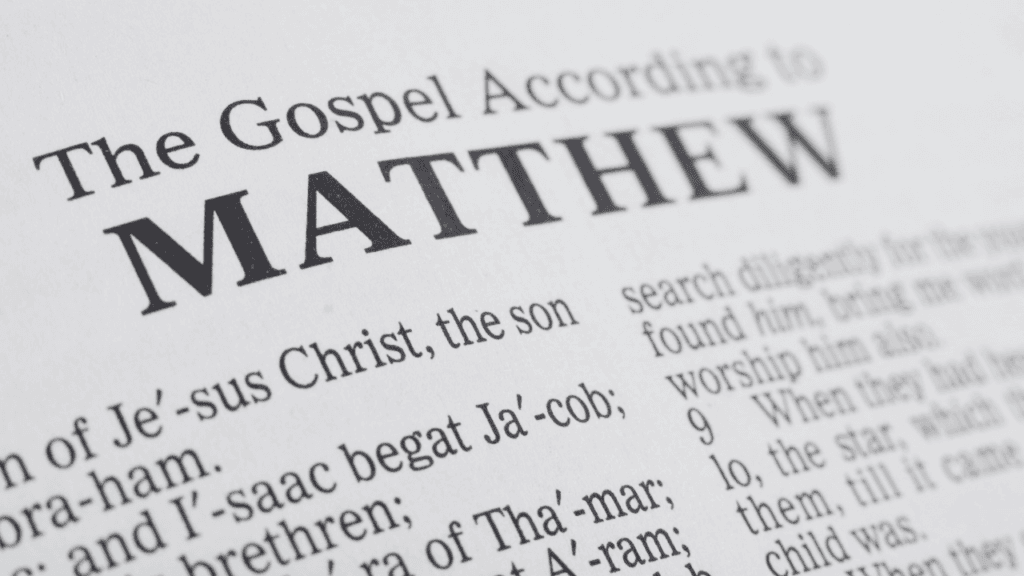
What Matthew 22:39 Really Invites Us Into
Jesus didn’t say:
“Love your neighbor instead of yourself.”
He said:
“Love your neighbor as yourself.”
When we refuse to care for ourselves, we distort that command. We try to pour love we don’t actually possess.
Here’s the heart shift:
Loving myself doesn’t replace loving others—it strengthens it.
When your soul is tended, your love becomes freer. Healthier. Less resentful. More sustainable.
And isn’t that the kind of love God desires?
A Gentle Invitation to Go Deeper
As you reflect on what loving yourself God’s way looks like, you may notice old wounds surfacing—the ones that quietly shape your boundaries, your self-talk, and even your ability to rest without guilt.
If that resonates, I invite you to listen to my podcast episode How to Name Your Wounds: Ashes to Healing. In this conversation, we talk about how healing begins when we lovingly acknowledge our pain rather than ignore it—and how God meets us tenderly in that process.
Sometimes self-love starts with naming what hurts—so God can begin restoring what’s been tender for far too long.
A Moment to Reflect (Journal With Me)
Take a breath.
Grab your journal.
Ask yourself gently:
How am I currently treating myself—and does it reflect how God sees me?
You might explore:
- Where you’re hardest on yourself
- A need you’ve been ignoring
- One boundary that would honor your limits
- What might change if you truly believed you mattered to God
- One small act of self-love, God may be inviting you into today
No pressure. Just honesty.
Try This Today (10 Minutes or Less)
You don’t need a full life overhaul. Start small.
- Write down one loving truth about yourself
- Say no to one thing that drains you unnecessarily
- Pause and pray before responding to a request
Small steps count. God meets you there.
You Don’t Have to Figure This Out Alone
If this stirred something in you, I’d love to walk with you further.
You’re invited to join my weekly Self-Love Journal Journey newsletter, where encouragement, Scripture, and reflection meet real life.
And if you’re craving community, the Self-Love Journaling with God Circle Community on Skool is a gentle, supportive space to grow alongside other women who are learning to love themselves—and God—more fully.
You’re not behind.
You’re not selfish.
You’re learning stewardship.
And that, my friend, is holy work.